

Reinforcement Learning Architectures.
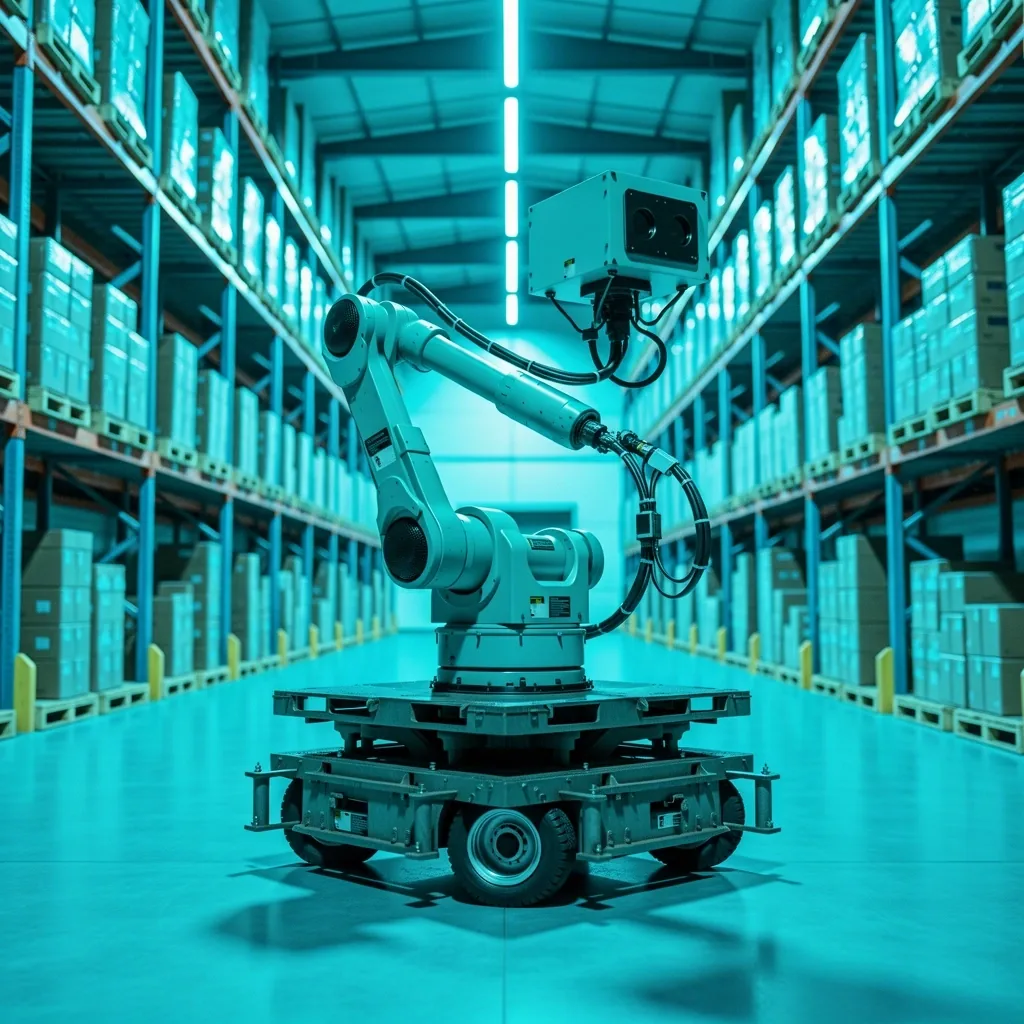
We engineer modular RL agents designed to integrate directly with existing robotic control systems and ROS2 frameworks, enabling high-precision autonomy in unpredictable industrial environments.
High-Stake Intervention Models
/01 Full-Cycle RL Development
Our Canadian engineering team builds ground-up reinforcement learning solutions for industrial automation. From defining the observation-action space to final model weights deployment, we handle the complexity of robotic control systems.
- Bespoke Reward Function Engineering
- Proprietary Training Pipelines
- Production-Ready TensorRT Optimization
/02 Safety Auditing
Formal verification of existing autonomous stacks. We analyze agent decision-making logic to document safety parameters for industrial audits.
VIEW_PROCESS/03 Sim-to-Real Optimization
Bridging the visual and physical gap. We develop high-fidelity simulation environments that mirror Canadian operational realities—including extreme weather and debris—to ensure model transfer consistency without hardware failure.
Resilience in Multi-Agent
Industrial Systems.
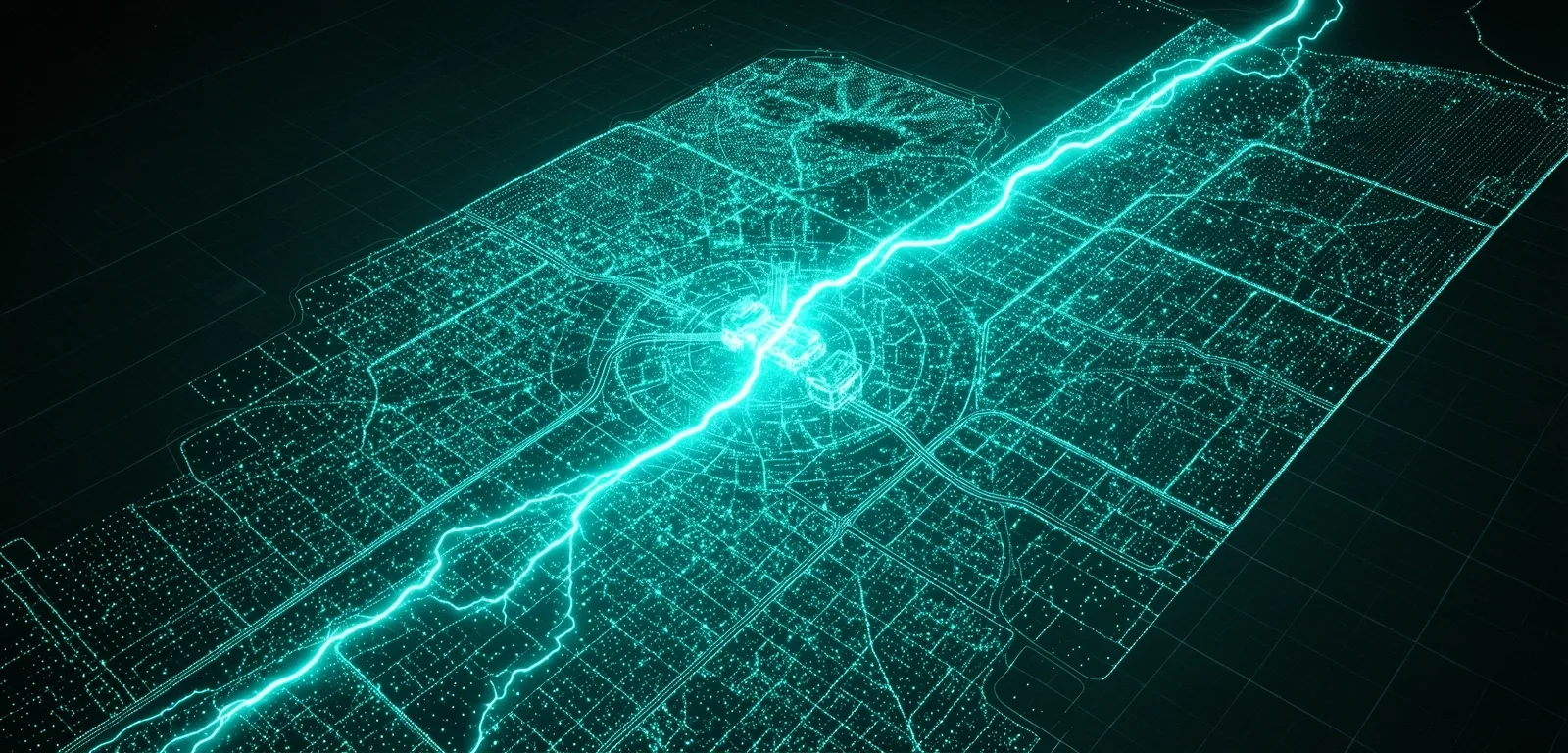
Generic machine learning solutions often collapse under the chaotic sensory noise of physical worksites. DealClose Digital prioritizes algorithmic transparency, ensuring that every transition in the observation-action-reward loop is auditable and explainable according to Canadian safety guidelines.
By leveraging Safe Policy Gradients, we bake operational constraints directly into the neural network architecture. This prevents the "reward hacking" behaviors that plague standard RL training, keeping your heavy machinery within verified safety envelopes at all times.
Does your system actually need RL?
Reinforcement Learning is a powerful tool, but it isn't always the right architectural choice for machine learning solutions. We help you qualify the technology before investment.
"Implementation requires accessible CAD environments or high-fidelity sensor data logs for initial simulation mapping."
Unpredictable Environments
Traditional control systems excel when rules are fixed. Move to Reinforcement Learning when your autonomous navigation must handle dynamic obstacles, shifting terrain, or variable friction coefficients in real-time.
Verdict: RL Optimal
Standard Automation
If your operational environment is static (e.g., a fixed assembly line) and decision-trees can be manually defined, standard PID control or heuristic programming remains safer and more cost-effective.
Verdict: Standard Control
Complex Manipulations
For robotic articulators performing delicate, multi-step tasks where contact physics are difficult to model classically, RL offers a path toward human-like dexterity through iterative learning.
Verdict: RL Required
Technical Methodology
Our team at DealClose Digital follows a rigorous engineering lifecycle for every software architecture deployment. We prioritize durability over speed, ensuring that autonomous vehicles remain operational under structural sensor failure.
Environmental Mapping & Constraints
We analyze the agent's action space and reward constraints using detailed sensor specifications and operational boundaries. This phase identifies potential failure modes before a single line of training code is executed.
Modular RL Integration
Instead of monolithic designs, we build modular "heads" for specific behaviors—navigation, object manipulation, or path optimization—that can be hot-swapped or updated without re-training the central control stack.
Stress-Testing & Verification
Final models undergo recursive stress-testing in high-fidelity simulations. We use edge-case scenario data to ensure that the reinforcement learning policy can handle 'black swan' events that are rare but catastrophic.
Deploy intelligence
with clinical precision.
EST Support Window:
Mon-Fri: 09:00 - 18:00